
Most Aussie punters know the sting of a long queue at a Bunnings sausage sizzle on a Saturday arvo, but waiting for a tournament payout that never arrives is worse. Understanding how prize money distributes across finish positions separates a solid session from a frustrating one. This guide breaks down the mechanics without the marketing fluff, so you can read a schedule before you buy in.
How Prize Money Distributes Across Finish Positions
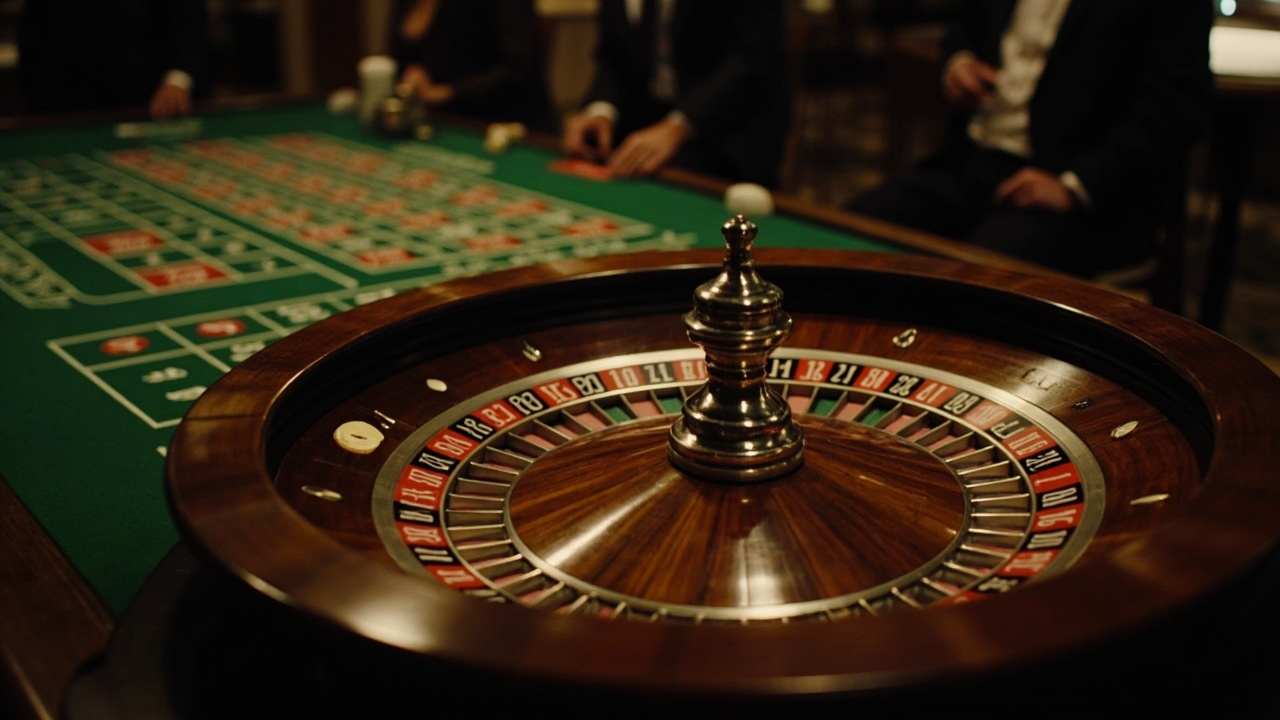
A tournament payout structure defines exactly how a prize pool splits among the field, usually from first place down to the final elimination. In a standard flat model, every paid position receives an equal share, which is rare outside of small sit-and-gos. Most events use a top-heavy distribution where the winner takes a larger slice, often 20 to 30 percent of the pool, while later paid spots receive progressively smaller amounts. The number of paid places matters just as much as the percentages. A 100-player event paying 10 positions distributes money differently than a 50-player field paying 15, even if the total pool is identical. In Serbia, where regulated comparison products are common, operators must publish these schedules clearly, a transparency standard that Australian players should demand rather than assume. The key is checking whether the schedule rewards deep runs or front-loads the early cash positions.
Reading the Schedule Before You Buy In
Before depositing, compare the payout schedule against the buy-in and field size. A slow start on a delayed Sydney train feels familiar when you realise the early positions in a deep-field event pay barely above the rebuy cost. Look for the payline, which marks the exact rank where prize money kicks in. Some tournaments pay 10 percent of the field, others pay 20 or more, and that difference changes the risk profile significantly. Also check whether rebuys and add-ons count toward the prize pool or sit separately. In many regulated markets, rebuy funds are folded into the total pool, which inflates the payouts but also increases the variance for players who keep re-entering. If you are assessing no-deposit video poker tournaments, the same principle applies: read the schedule first, then decide if the entry cost matches the potential return.how Australian players assess these events often hinges on whether the payout structure rewards consistency or relies on a single deep run.
That same lag between effort and return compounds when you stack multiple rebuy cycles against a tightening blind structure. Before locking in your stack, run the numbers through a transparent payout calculator like the one at needforspin76 to see exactly where the break-even point sits. Once you know the true cost of staying in the hunt, you can decide whether to preserve your bankroll or fold early and wait for a shallower field.
A practical example helps. Imagine a 100-player tournament with a $20 buy-in and a 10 percent payline. The pool sits at $2,000, and the top 10 players share it. A flat distribution would give each paid player $200, but most schedules skew heavier toward the top. If the winner takes $500, that leaves $1,500 for the remaining nine paid positions, which might split unevenly depending on the operator’s formula. Some platforms publish exact dollar amounts per position, while others show only percentages. The latter forces you to do the maths yourself, which is fine if you are comfortable bonusroyalreels.com with a calculator, but frustrating if you just want a clear read on the risk. In Geelong, where local poker clubs often run small competitions, the schedules are usually pinned on a noticeboard and easy to read. Online, the same clarity should be available before you commit any funds. If the payout structure is buried in a terms page or hidden behind a toggle, treat that as a warning sign rather than a minor inconvenience.
| Detail | What to Check |
|---|---|
| Payline | Percentage of field that receives prize money |
| Top share | Winner’s portion of the total pool |
| Rebuy treatment | Whether rebuy funds join the pool or stay separate |
| Published amounts | Dollar figures per position versus percentages only |
| Transparency | Schedule visible before registration, not buried in terms |
Player-Fit Verdict on Payout Clarity
A player-fit verdict on any tournament starts with the payout structure, not the game mix or the lobby design. If the schedule is clear, the payline is reasonable, and the top-heavy weighting matches your risk appetite, the event is worth considering. If the structure is vague, the payline is thin, or the operator hides the maths behind percentages without a calculator, step back. Australian players should treat tournament entry as a calculated decision, not a impulse buy. A crowded Geelong club night with a published schedule is often easier to read than a flashy online lobby with a buried payout table. The right fit depends on whether you prefer a deep-run gamble or a steady shot at a modest cash, and the payout structure tells you which one you are actually buying into.
A solid payout structure does not guarantee a win, and no schedule removes the variance that comes with tournament play. What it does is give you a fair read on the risk before you commit. When the maths is visible and the payline is reasonable, you can decide with your eyes open. When it is not, the smart play is to walk away and find a clearer table.